Black Watercolor Circles: A Designer’s Honest Take for Real Embroidery Use
First Impressions: Soft Yet Bold, Simple Yet Expressive
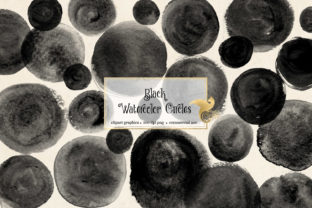
When I first opened the file for Black Watercolor Circles, I was struck by how the design manages to feel both minimalist and artistic. It’s not just a circle—it’s a soft-edged, watercolor-textured shape that carries a subtle organic vibe. It’s the kind of design that feels intentional without being overbearing, perfect for those who want a touch of visual interest without going too literal.
From a design standpoint, this illustration walks the line between abstract and functional. It doesn’t scream for attention, but it definitely holds its own. The texture mimics brush strokes, giving it a handmade aesthetic that’s very much in line with modern embroidery trends.
Real-World Use: What Projects Fit Best?
I tested Black Watercolor Circles across a few different materials and products to see how it would hold up in actual use. Here’s what I found:
- Tote bags – Works beautifully centered on cotton canvas. The soft texture blends well with the natural fabric grain, and it doesn’t overpower the tote’s practicality.
- Sweatshirts – On thicker fleece, the circles maintain their shape and add a subtle design accent without looking lost in the texture.
- Baby items – I stitched it onto a baby burp cloth, and the softness of the design made it feel gentle and appropriate for tiny outfits.
- Aprons – Placed just above the hip seam, it gives a boutique-like finish that feels intentional and handmade.
- Pillow covers – Especially effective when paired with a monogram or name underneath. It becomes a soft focal point without being busy.
It’s a versatile base for personalization, especially when you want to keep the main design simple and let the text or color choice carry the customization.
Where to Be Careful: Fabric, Size, and Texture Matter
While the Black Watercolor Circles design has a lot going for it, there are definitely situations where it needs a little extra consideration:
- Small hoop sizes – The texture and watercolor effect can get lost if scaled down too much. Be cautious if you’re working with a 4x4 hoop unless you’re using it as a background element.
- Textured fabrics – Corduroy, knits, and even some denim can distort the soft edges. You may need to adjust stabilizer or stitch density.
- Stretchy materials – T-shirts and athletic fabrics might pull the design out of shape slightly unless you hoop with a firm stabilizer underneath.
- Dark backgrounds – Since the design is black, it can blend into dark fabric. I recommend testing with a white underlay or light thread accents to make it pop.
- Curved surfaces – Caps and curved bags can compress the circle shape slightly. Always do a test stitch on a similar curve if possible.
Design Impact: From Visual Appeal to Customer Trust
One of the biggest strengths of Black Watercolor Circles is how it enhances the perceived value of a finished product. It doesn’t scream “machine-made” like some overly geometric or flat designs can. Instead, it adds a hint of artistic flair that elevates the item from basic to boutique.
For Etsy sellers and small shop owners, this is huge. Customers respond to designs that feel curated and intentional. The softness of the watercolor texture makes it feel more like a hand-painted illustration than a standard embroidery file.
It’s also great for brand consistency. If you’re building a line of products with a minimalist, modern theme, this design can serve as a recurring visual element that ties your items together. Think of it as a signature touch—like a logo that doesn’t need to say your name.
Practical Notes for Embroidery Designers
Before diving into a full production run or listing it as part of your digital design offerings, here are a few things I recommend checking:
- Test on scrap fabric – Especially if you’re working with stretchy or textured materials.
- Check thread color contrast – If you’re embroidering on a dark fabric, consider adding a white or light gray outline to help the design stand out.
- Review stitch density – The watercolor effect might require slightly more density than a standard fill stitch. Make sure your machine can handle it.
- Confirm hoop size – Don’t assume it fits in your standard hoop. Test scaling before stitching on a customer item.
- Inspect small details – The texture can sometimes get muddied if the design is scaled too small or stitched too quickly.
- Test in black and white mockups – This design works well in monochrome, so it’s a good idea to visualize how it looks in different contexts.
- Compare light and dark fabric backgrounds – As mentioned, it can disappear on dark materials unless you make small adjustments.
- Use proper stabilizer – Especially on stretchy or thin fabrics, a good tear-away or wash-away stabilizer will keep the design crisp.
- Check licensing – If you plan to sell finished items or include this in a digital product bundle, make sure the license allows for commercial use.
Final Thoughts: Worth the Test Stitch
Overall, I think Black Watercolor Circles is a solid addition to any embroidery designer’s toolkit. It’s not a flashy design, but that’s kind of the point. It’s versatile, subtle, and expressive in a way that works for a wide range of projects—from personalized gifts to small business merchandise.
If you’re looking for a design that feels modern yet timeless, and you want something that can work across different products without feeling repetitive, this one’s worth the test stitch. Just remember to test it in your specific context before committing to a final product. That’s the only way to know if it’s right for your brand, your materials, and your customers.